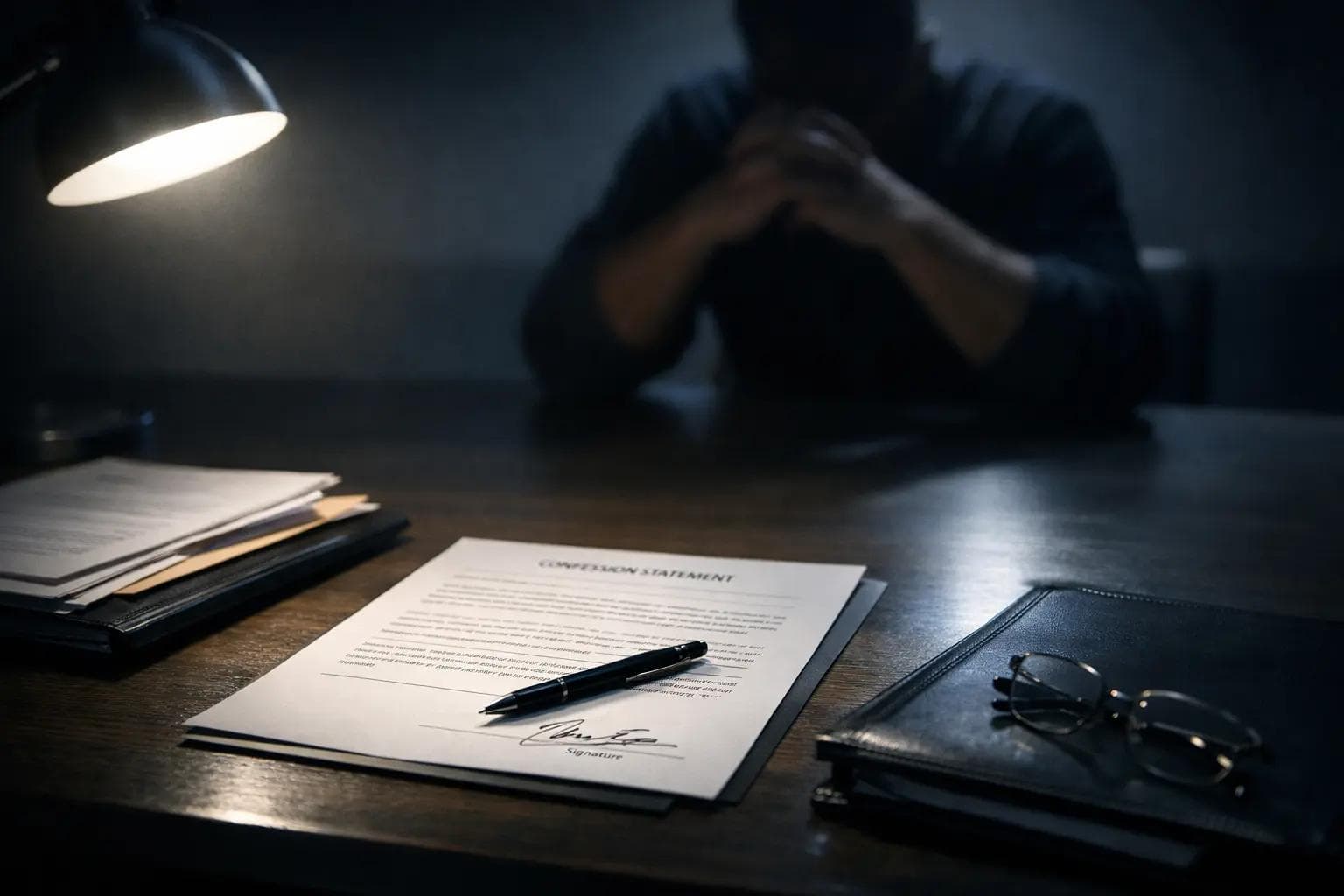
Domestic violence remains one of the most misunderstood areas of criminal law. Misconceptions about what constitutes abuse, who can be a victim, and how the legal system responds can prevent victims from seeking help and perpetuate dangerous situations.
Our legal team is committed to protecting victims' rights and ensuring fair proceedings for all parties involved in domestic violence cases.
Our Legal Approach
Protecting Victims
We work swiftly to secure protective orders and ensure your safety is the top priority.
Our team helps you navigate the legal system, obtain restraining orders, pursue criminal charges if desired, and access support services including temporary housing and counseling referrals.
Defending the Accused
False accusations of domestic violence can have devastating consequences on custody rights, reputation, and freedom.
We provide vigorous defense, thoroughly investigate all evidence, challenge inconsistent testimony, and work to protect your rights while ensuring due process.
Four Common Myths — And the Legal Reality
1. The "It's Not Really Abuse" Myth
The Myth: If there are no visible injuries, it's not domestic violence.
The Reality: Domestic violence includes physical, emotional, psychological, sexual, and economic abuse.
Threatening behavior, controlling finances, isolation from family and friends, verbal abuse, and intimidation all constitute domestic violence under the law. You don't need bruises or broken bones for it to be a crime.
2. The "Mutual Combat" Defense
The Myth: If both parties were fighting, neither can claim abuse.
The Reality: Self-defense is not mutual combat.
The law recognizes the difference between an aggressor and someone defending themselves. Courts examine who initiated the violence, the severity of actions, and whether there was a reasonable fear of harm. Defensive actions do not negate an abuser's criminal liability.
3. The "Victims Can Drop Charges" Myth
The Myth: If the victim doesn't want to press charges, the case will be dropped.
The Reality: In domestic violence cases, the state prosecutes the crime — not the victim.
Once law enforcement is involved, prosecutors can proceed with charges even if the victim recants or refuses to cooperate. This policy exists because abusers often pressure victims to drop charges. The decision to prosecute rests with the district attorney's office.
4. The "Police Must See Evidence" Myth
The Myth: Police need to witness the abuse or see physical evidence to make an arrest.
The Reality: Officers can make arrests based on victim statements and circumstances.
In domestic violence situations, police are trained to assess:
- Victim and witness statements
- The demeanor and emotional state of those involved
- The scene and any signs of struggle
- Prior history of domestic incidents
Probable cause for arrest can exist even without visible injuries or physical evidence. Emergency protective orders can be issued immediately to prevent further contact.
Getting Help
If you or someone you know is experiencing domestic violence, taking the first step toward safety is critical. Our bureau offers confidential consultations and can connect you with emergency resources.
Remember: You deserve to feel safe. The law is on your side, and help is available 24/7.